Month-By-Month Guide To The Best Baby Toys (0–6 Months)
Choosing the right toys for your baby is crucial. It supports their development and keeps them engaged.
In the first six months, babies experience rapid growth and change. Each month brings new skills and interests.
This guide will help you select the best baby toys 0-6 months. We focus on sensory toys and educational toys.
These toys are designed to stimulate your baby’s senses and encourage learning. They also promote physical and cognitive development.
Join us as we explore the best toys for each month. Discover how playtime can support your baby’s growth.
Why choosing the right toys matters for 0-6 month olds
Selecting appropriate toys in the first six months is vital. The right toys engage your baby, boosting sensory and cognitive development.
Infants develop at different rates. Toys should match their current skills and stimulate further growth. Providing age-appropriate toys helps your child reach their milestones effectively.
Consider these points when choosing toys:
- Safety is crucial; opt for non-toxic materials.
- Toys should be simple but stimulating.
- Look for toys that enhance motor skills.
Month 0-1: High-contrast and visual stimulation toys
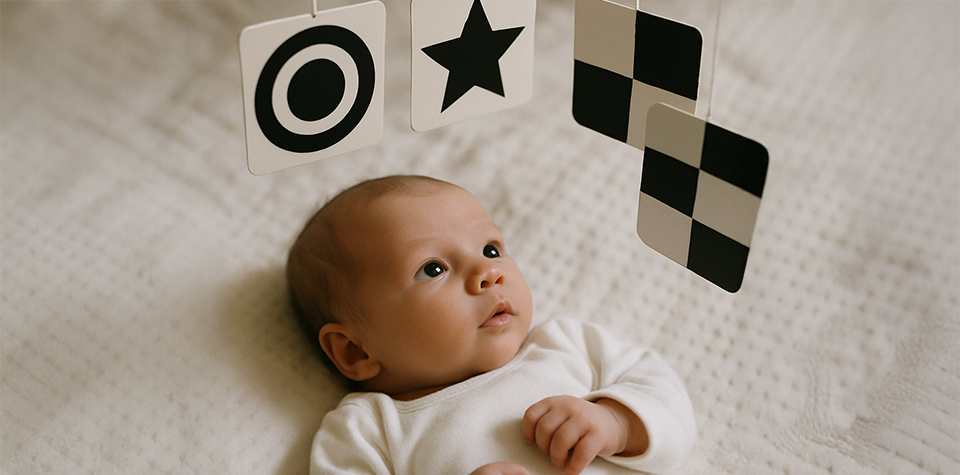
In the first month, a newborn’s vision is still developing. High-contrast toys are perfect for capturing their limited attention. Black and white patterns are particularly effective at this stage.
These visual stimulants help infants focus and track objects with their eyes. Visual tracking lays the groundwork for later complex visual development. Mobiles and simple image cards with bold patterns can be very engaging.
Consider including these toys in your baby’s playtime:
- High-contrast mobiles
- Black and white picture cards
- Simple pattern books
Month 1-2: Soft rattles and grasping toys
As babies enter their second month, they begin to explore their surroundings using their hands. Soft rattles become a perfect tool for encouraging them to practice their grasping skills. The gentle sounds produced by these toys engage a baby’s auditory senses.
These early attempts at holding objects help improve hand-eye coordination. Grasping toys also promote muscle development in the hands and arms. Select toys that are lightweight and easy for little hands to hold.
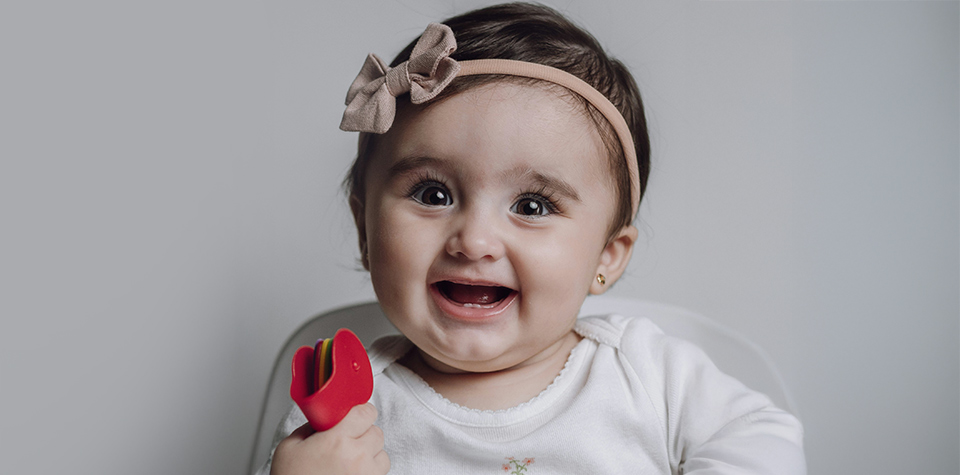
Here are some ideal choices for this age:
- Soft fabric rattles
- Plush toys with easy-to-grasp handles
- Textured rings for tactile exploration
Incorporating these toys into playtime encourages sensory exploration and supports early motor skill development.
Month 2-3: Sound and auditory development toys
At this age, babies are captivated by new sounds around them. Auditory development toys can engage your baby’s growing hearing abilities. These toys can also aid in developing language recognition skills.
Toys that produce gentle sounds will delight and comfort your baby. Opt for items that introduce different tones or musical notes. Such toys help babies start associating sounds with movements or actions.
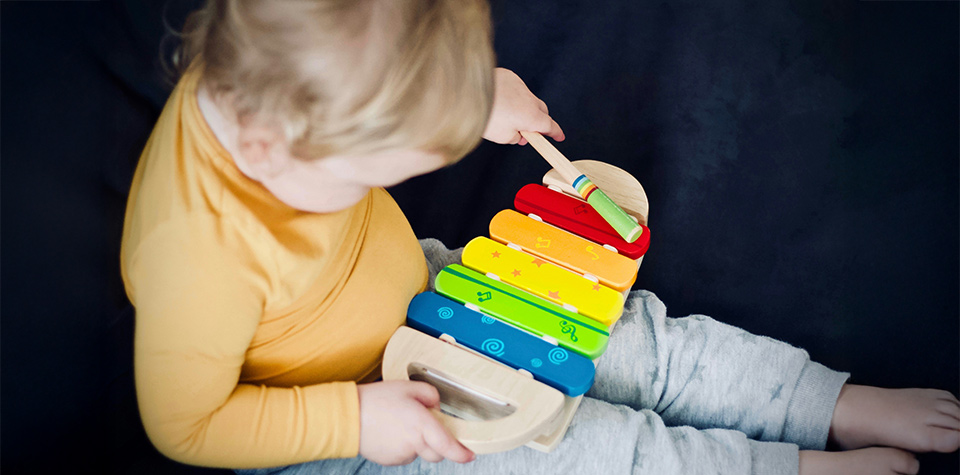
Consider adding these sound toys to your baby’s collection:
- Musical plush toys
- Crinkly books or fabric toys
- Light-up toys with melodies
These toys add joy to playtime and foster essential auditory growth. They also help your little one understand cause and effect, paving the way for future learning.
Month 3-4: Tummy time and mirror toys
During months three and four, tummy time becomes a crucial part of your baby’s routine. This activity strengthens their neck and shoulder muscles. It also prepares them for future milestones like crawling.
Mirrors are excellent tools at this stage because babies love gazing at reflections. They may not recognize themselves yet, but reflections are fascinating. Mirror toys can captivate their attention, encouraging visual engagement.
Enhance your baby’s play with these tummy time toys:
- Tummy time mats with attached mirrors
- Soft fabric books with mirror pages
- Toy arches with hanging mirrors
These toys promote necessary physical and visual development. They also make tummy time a fun and rewarding experience.
Month 4-5: Teething and sensory exploration toys
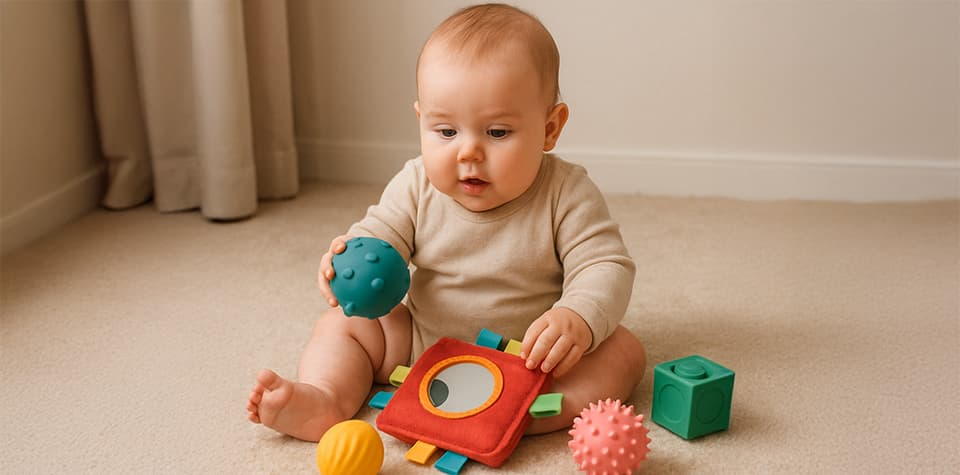
As babies reach four to five months, teething often begins. Little mouths are ready to explore everything they can grasp. Teething toys are essential, providing both comfort and a safe way to soothe sore gums.
This is also the perfect time to introduce sensory exploration. Babies are eager to touch and discover new textures. Toys with varied surfaces invite tactile engagement and curiosity.
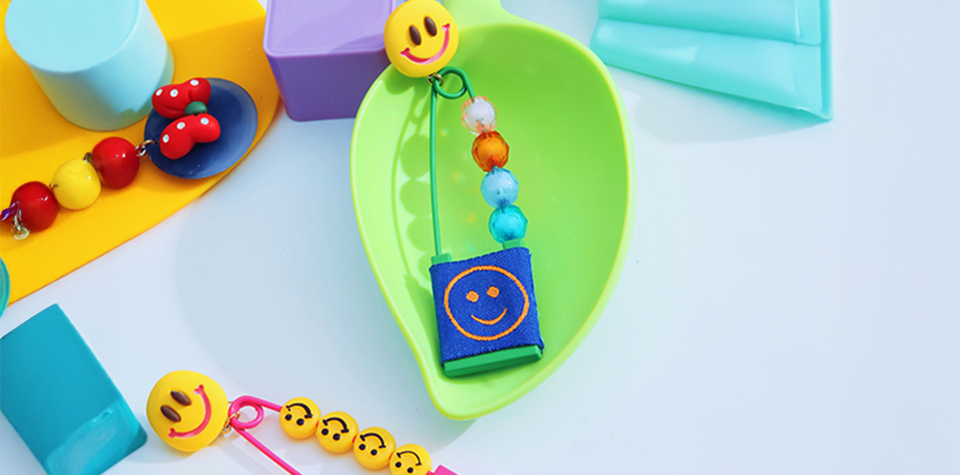
Consider incorporating these toys into playtime:
- Teething rings made from non-toxic materials
- Textured balls that are easy to hold
- Sensory blocks with different shapes and surfaces
These toys aid in relieving teething discomfort while encouraging sensory development. Exploring with hands and mouth enhances learning.
Month 5-6: Educational and multi-sensory toys
As babies approach six months, their world expands even more. They start to actively engage with their environment. This is an ideal time to introduce educational toys.
Multi-sensory toys play a crucial role in development. They offer a mix of visual, auditory, and tactile stimulation. These toys enhance cognitive and motor skills while keeping playtime exciting.
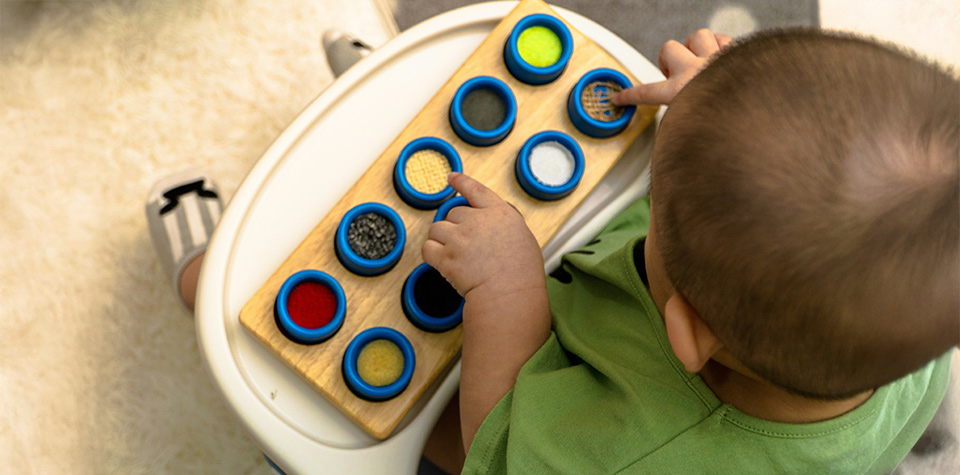
Here are a few toy suggestions:
- Stacking rings that promote hand-eye coordination
- Soft books with interactive flaps and textures
- Activity tables with lights and sounds for cause-and-effect learning
Such toys foster early learning. They engage multiple senses, making play both educational and fun.
Safety tips for baby toys 0-6 months
Safety is a top concern for infant toys. Always ensure toys are free from small parts that could be swallowed.
Choose toys made of non-toxic materials. This keeps play safe, especially during teething phases.
Here are some safety tips:
- Inspect toys for damage regularly
- Avoid sharp edges or loose parts
- Ensure toys are easy to clean
These simple checks can protect your baby during play. Always supervise infants while they explore new toys.
How to choose the best baby toys for your child
Selecting the perfect toy involves understanding your baby’s development stage. Look for toys that match their current abilities.
Consider these factors when choosing toys:
- Age appropriateness
- Safety and durability
- Sensory and educational benefits
These aspects ensure that the toys are engaging and beneficial. Choose wisely, and watch your baby thrive through play.
| Baby Age | Toy Category | Why It’s Suitable | Amazon Product | Flipkart Product |
| 0–1 Month | High-Contrast Visual Toys | Enhances early visual focus and tracking using black-and-white patterns | Baby High Contrast Hanging Mobile | Black & White Newborn Visual Cards |
| 1–2 Months | Soft Rattles & Grasp Toys | Encourages grasp reflex, hand strength, and auditory stimulation | Soft Fabric Baby Rattle Set | Plush Rattle with Easy-Grip Handle |
| 2–3 Months | Sound & Musical Toys | Supports auditory development and early cause-and-effect learning | Musical Plush Toy with Gentle Sounds | Crinkle Sound Baby Toy |
| 3–4 Months | Tummy Time & Mirror Toys | Strengthens neck and shoulder muscles; promotes visual curiosity | Tummy Time Play Mat with Mirror | Baby Activity Gym with Mirror |
| 4–5 Months | Teething & Sensory Toys | Soothes sore gums and introduces texture-based sensory exploration | BPA-Free Silicone Teething Rings | Squeezy Fruit Toy Set |
| 5–6 Months | Educational & Multi-Sensory Toys | Builds hand-eye coordination, problem-solving, and motor skills | Stacking Rings Educational Toy | Musical toy keyboard mat piano gym & fitness rack |
Frequently asked questions about baby toys 0-6 months
Parents often wonder what toys are best for their infants. It’s crucial to ensure toys are safe and engaging.
Consider these common questions:
1. What materials are safe for infants?
When choosing toys for 0–6 months old babies, safety should be the top priority. The safest materials include BPA-free plastic, medical-grade silicone, organic cotton, and untreated natural wood. These materials are non-toxic, gentle on sensitive skin, and safe for mouthing, which is common during early months. Always look for toys labeled phthalate-free, lead-free, and compliant with international safety standards to ensure your infant’s well-being.
2. How often should I rotate toys?
Toy rotation is an effective way to keep babies engaged without overwhelming them. For infants aged 0–6 months, rotating toys every 7–10 days works best. Introduce only 2–4 toys at a time to encourage focus and curiosity. Regular rotation helps maintain interest, supports sensory development, and allows babies to explore toys more deeply as their skills grow.
3. Which toys support milestone development?
Different toys support different developmental milestones during the first six months. High-contrast toys help improve visual tracking, rattles and soft grasp toys strengthen motor skills, and sensory toys with textures, sounds, and mirrors encourage cognitive and sensory development. Age-appropriate toys designed for 0–6 months old babies play a crucial role in supporting early milestones such as hand-eye coordination, tummy time strength, and sensory awareness.
Addressing these questions will help ensure your baby’s playtime is both secure and beneficial.
Conclusion: Supporting your baby’s development through play
Choosing the right toys for your infant helps their growth. Each toy plays a role in developing crucial skills.
Engaging, age-appropriate toys make learning through play enjoyable. Your attention to toy selection fosters an enriching and fun developmental journey for your baby.